
Hey everyone! In this tutorial, I want to share with you some of my favorite podcasting microphones. Whether you’re a podcaster or someone who records screencasts, this article is perfect for you. We’ll start with a comparison of the audio quality when using the built-in sound recorder on a computer – the results aren’t very impressive as you can hear the room and a hum in the background. Then, we’ll move on to other options like the Logitech c920 webcam and the Logitech clear Chat headset, which are improvements but still not ideal for professional audio. Finally, I’ll introduce you to the Audio-technica ATR 2100 microphone, a great choice if you’re on a budget, and the Rode Procaster, which is my personal favorite for its directional sound and versatility in any room. Stick around to learn more about these microphones and how they can enhance your podcasting or screencasting experience.
Built-in Sound Recorder on iMac
When it comes to recording audio on your iMac, the built-in sound recorder may not be the best option. In a head-to-head test with other microphones, the audio quality produced by the built-in microphone was found to be terrible. The room noise and hum were clearly audible, and when the speaker went quiet, the audio quality suffered even more. It is evident that using the built-in microphone on most computers is not ideal for professional audio recordings.
Logitech c920 Webcam
If you’re looking for a better alternative to the built-in microphone on your iMac, the Logitech c920 webcam is an option worth considering. While the audio quality is better than the built-in microphone, it still falls short when it comes to professional podcasting or screencasting. It is a great webcam in terms of video quality, but the audio may not meet the standards for professional audio recordings.
Logitech Clear Chat Headset
For interviews or podcasts involving guests who are not podcasters themselves, the Logitech Clear Chat headset is a recommended choice. The headset is significantly better than the built-in microphone on most computers, and it is a cost-effective option, priced at around $30. However, one drawback of this microphone is that it is not very directional. It picks up off-axis noises as clearly as if they were right next to the microphone. This makes it less suitable for use in rooms with poor soundproofing. But, if you record in a closet with ample clothing, the sound quality can be greatly improved.
Audio-Technica ATR 2100 USB Microphone
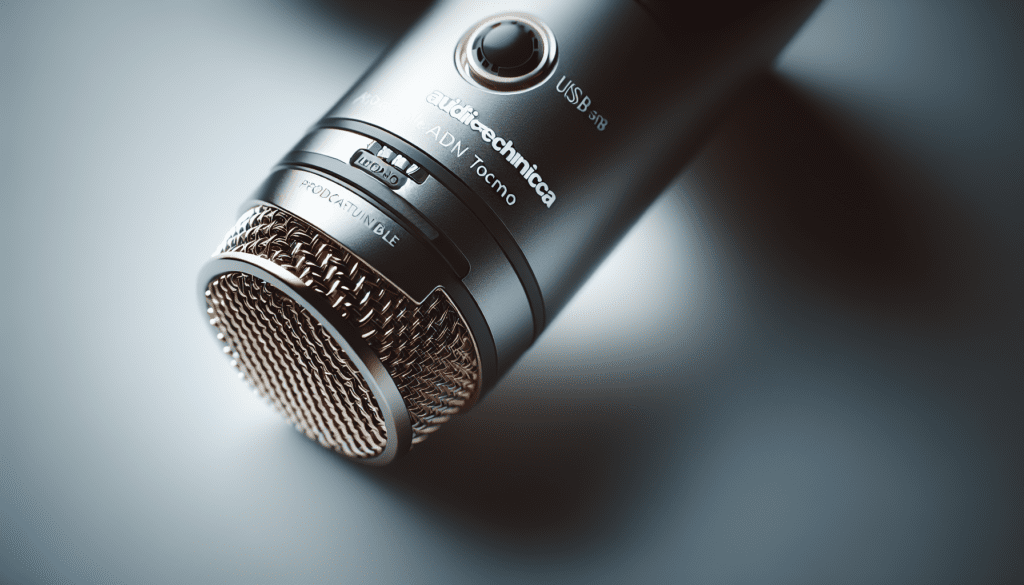
The Audio-Technica ATR 2100 microphone is a popular choice for podcasting due to its affordable price point of around $50 and its improved audio quality compared to built-in microphones. This microphone comes in both USB and XLR versions, providing flexibility in terms of connectivity options. However, with the USB version, there may be some issues with certain vocal sounds, such as popping sounds or hissing. To mitigate this, it is recommended to invest in a cheap windscreen for the microphone, which can greatly improve the audio quality and reduce unwanted noises.
USB vs. XLR Connection
When it comes to choosing between a USB or XLR connection for your microphone, it is important to consider the audio quality. While both connections have their advantages, an XLR connection generally provides better audio quality. In the head-to-head test, comparing recording with a USB connection to recording with an XLR connection, a significant difference in audio quality was observed. However, regardless of the connection type, it is essential to use a pop filter to prevent popping sounds and improve the overall audio quality.
Road Procaster Microphone
The Road Procaster microphone is a favorite among podcasters, including the person conducting the head-to-head test. It is considered a daily driver due to its reliable performance and versatility. The Road Procaster offers excellent directional capabilities, allowing for clear recordings even in less than ideal acoustic environments. It is a valuable tool for producing high-quality podcast episodes and video tutorials. While there may be a slight echo in small rooms with minimal soundproofing, the directional nature of the microphone ensures that unwanted room noise is minimized.
Heil PR 40 Microphone
The Heil PR 40 microphone is another option worth considering, and it was compared to the Road Procaster in a video review. While the audio produced by the Heil PR 40 was found to have a slightly fuller sound, it also had a more garbled tone, akin to mumbling. On the other hand, the audio quality of the Road Procaster was deemed to be better in terms of diction and clarity. The Road Procaster’s affordability, coupled with its superior audio quality, makes it the preferred choice for the person conducting the head-to-head test.
Comparison Between Road Procaster and Heil PR 40
In the head-to-head comparison, the audio quality difference between the Road Procaster and the Heil PR 40 was minimal. While the Heil PR 40 had a slightly fuller sound, it sacrificed clarity and diction, resulting in a mumbled tone. The Road Procaster, on the other hand, provided better diction and clarity, which are crucial factors for ensuring that the speaker’s voice is heard clearly. Additionally, the Road Procaster is priced $100 less than the Heil PR 40, offering better affordability without compromising on audio quality.
Conclusion
Choosing the right microphone for podcasting or recording screencasts is essential to ensure professional audio quality. While the built-in sound recorder on an iMac may not meet the standards for professional recordings, there are several alternatives available. The Logitech c920 webcam provides better audio quality than the built-in microphone but falls short for professional use. The Logitech Clear Chat headset is a recommended choice for interviews or non-podcasters, despite its lack of directionality. The Audio-Technica ATR 2100 offers improved audio quality at an affordable price, but a windscreen is recommended for optimal performance. When it comes to connectivity, an XLR connection generally provides better audio quality than USB. The Road Procaster microphone is a favorite among podcasters, providing clear recordings even in less than ideal acoustic environments. In comparison, the Heil PR 40 offers a slightly fuller sound but sacrifices clarity and diction. Ultimately, the Road Procaster is the preferred choice due to its affordability and superior audio quality.

