

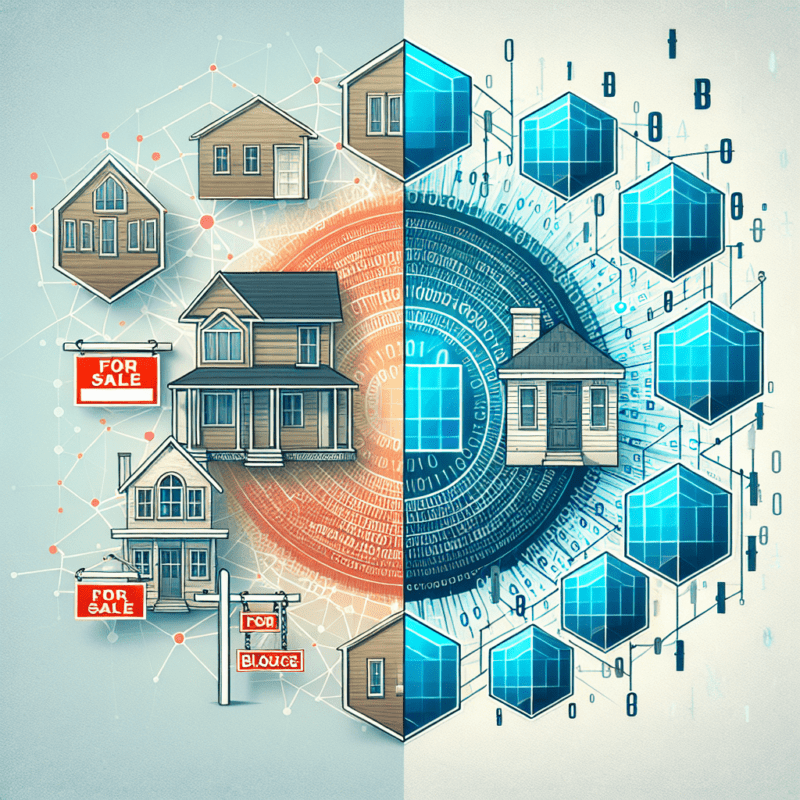
Blockchain technology has been making waves in various industries, and real estate is no exception. From streamlining transactions to increasing transparency, blockchain has the potential to revolutionize the way we buy, sell, and invest in properties. In this article, we’ll explore how blockchain is disrupting the real estate industry and what the future holds for this innovative technology.
Increased Transparency and Security
One of the key benefits of blockchain technology in real estate is increased transparency and security. By storing transaction data in a decentralized and immutable ledger, blockchain eliminates the need for intermediaries and reduces the risk of fraud. This not only speeds up the transaction process but also gives buyers and sellers peace of mind knowing that their information is secure.
Smart Contracts
Smart contracts are another game-changing aspect of blockchain technology in real estate. These self-executing contracts automatically enforce the terms of an agreement between parties, eliminating the need for manual processing and reducing the risk of errors or disputes. With smart contracts, transactions can be completed more efficiently and securely, saving time and money for all parties involved.

Tokenization of Assets
Blockchain technology also enables the tokenization of real estate assets, allowing investors to purchase fractional ownership in properties. This opens up new opportunities for smaller investors to diversify their portfolios and access previously inaccessible markets. Tokenization also makes it easier to buy and sell real estate assets, increasing liquidity in the market.
Globalization of Real Estate Investment
With blockchain technology, real estate investment is no longer limited by geographical boundaries. Investors can participate in property transactions across borders, opening up new avenues for international investment. This globalization of real estate investment can lead to increased diversification and potentially higher returns for investors.
Challenges and Adoption
While blockchain technology offers numerous benefits for the real estate industry, there are still challenges to widespread adoption. These include regulatory hurdles, standardization of processes, and education for industry professionals. However, as more companies and governments embrace blockchain technology, we can expect to see greater integration in the real estate sector.
Regulatory Compliance
One of the main challenges for blockchain adoption in real estate is regulatory compliance. Different countries have varying regulations regarding property transactions, and integrating blockchain technology into existing legal frameworks can be complex. However, as regulators become more familiar with blockchain and its benefits, we may see clearer guidelines and regulations to facilitate its adoption.
Conclusion
Blockchain technology is poised to disrupt the real estate industry in numerous ways, from increased transparency and security to tokenization of assets and globalization of investment. While there are challenges to overcome, the potential benefits of blockchain in real estate are too significant to ignore. As the technology continues to evolve and gain traction, we can expect to see a more efficient, secure, and accessible real estate market for all stakeholders.
FAQ
Q: How does blockchain technology increase transparency in real estate transactions?
A: Blockchain technology stores transaction data in a decentralized and immutable ledger, eliminating the need for intermediaries and reducing the risk of fraud, thus increasing transparency in real estate transactions.
Q: What are smart contracts and how do they benefit real estate transactions?
A: Smart contracts are self-executing contracts that automatically enforce the terms of an agreement between parties. They benefit real estate transactions by speeding up the process, reducing the risk of errors or disputes, and saving time and money for all parties involved.