

NFTs Explained for Dummies
What are NFTs?
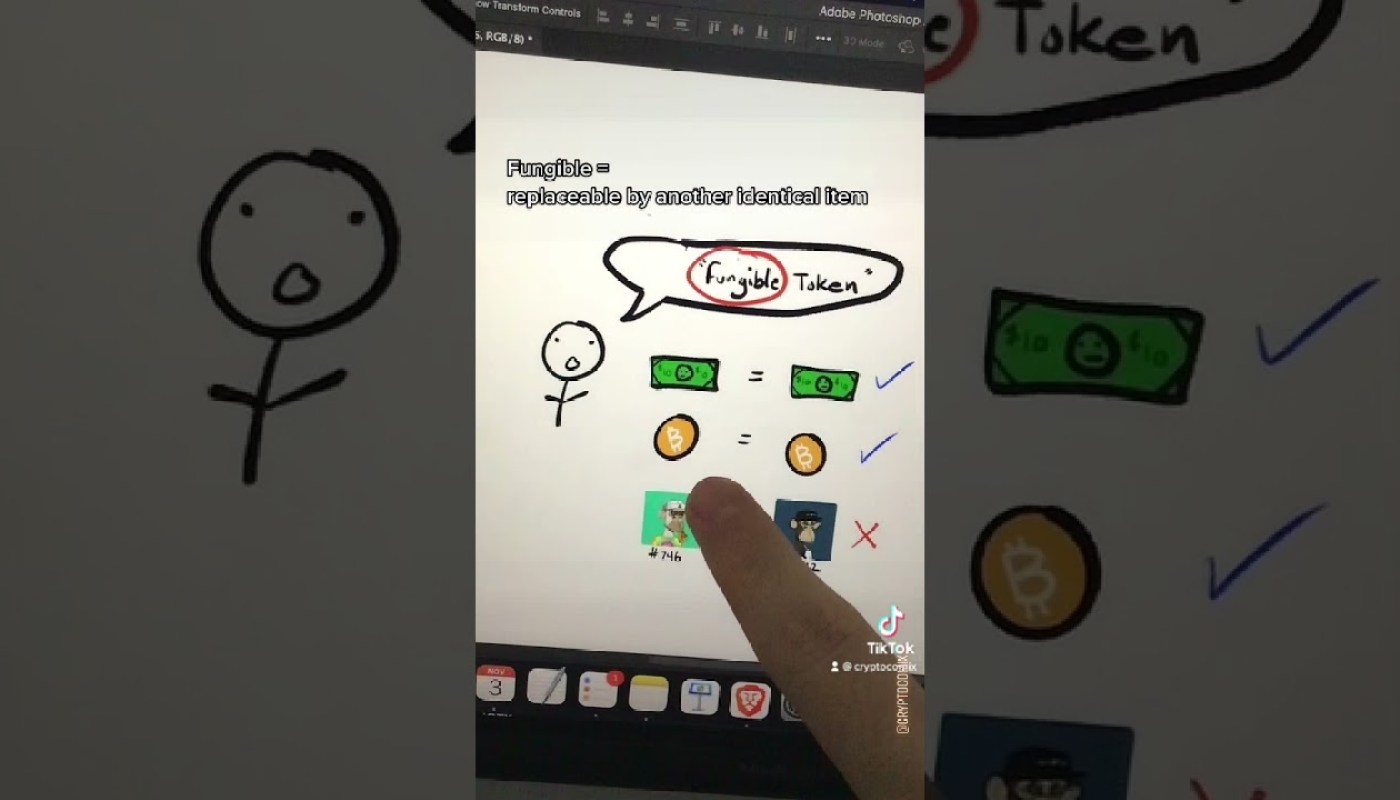
NFT stands for Non-Fungible Token. To put it simply, NFTs are digital assets that represent ownership or proof of authenticity of a unique item or piece of content. Unlike cryptocurrencies such as Bitcoin or Ethereum, which are fungible and can be exchanged for one another, NFTs are one-of-a-kind and cannot be replicated.
How do NFTs work?

When you purchase an NFT, you are essentially buying a digital certificate of ownership for a specific piece of content, whether it be artwork, music, videos, or even tweets. This ownership is stored on a blockchain, which is a decentralized and secure digital ledger that records all transactions involving the NFT.
Why are NFTs valuable?
The value of an NFT comes from its scarcity and uniqueness. Just like owning a rare physical collectible item, owning an NFT gives you exclusive ownership rights to that digital content. As more people recognize the value of NFTs, their demand and price can increase over time.
How to create and sell NFTs?
Creating and selling NFTs typically involves minting them on a blockchain platform that supports NFTs, such as Ethereum’s blockchain. Artists, musicians, and creators can upload their digital content to these platforms, mint them as NFTs, and list them for sale in online marketplaces dedicated to NFTs.
Watch this video for a visual explanation of NFTs:
Why are NFTs popular?

NFTs have gained popularity in recent years due to their potential to revolutionize the art and entertainment industries. Artists can now directly sell their digital creations to collectors without the need for intermediaries, such as galleries or record labels. This opens up new opportunities for creators to monetize their work and reach a global audience.
Are NFTs a good investment?
Investing in NFTs can be risky, as their value is highly speculative and can fluctuate based on market trends and demand. It’s essential to do thorough research and understand the risks involved before purchasing NFTs as an investment. However, some collectors have made significant profits by buying and selling NFTs at the right time.
Can anyone buy NFTs?
Yes, anyone with access to a digital wallet and cryptocurrency can buy NFTs. However, it’s crucial to be cautious when purchasing NFTs, as there have been instances of scams and fraudulent activities in the NFT space. Make sure to verify the authenticity of the NFT and the reputation of the seller before making a purchase.
How do NFTs benefit creators?
NFTs provide creators with a new revenue stream and a way to connect directly with their audience. By selling NFTs, creators can retain ownership of their work and receive royalties whenever their NFTs are resold in the secondary market. This can help artists and musicians earn a more sustainable income from their creative endeavors.
Conclusion
In conclusion, NFTs are digital assets that represent ownership or proof of authenticity of unique digital content. While their value and popularity continue to grow, it’s essential to approach NFTs with caution and understand the risks involved in investing in them. For creators, NFTs offer new opportunities to monetize their work and connect with their audience in innovative ways.
FAQs
What is the difference between NFTs and cryptocurrencies?
While cryptocurrencies like Bitcoin and Ethereum are fungible and can be exchanged for one another, NFTs are non-fungible and represent ownership of unique digital content.
How are NFTs stored?
NFTs are stored on a blockchain, which is a decentralized and secure digital ledger that records all transactions involving the NFT. This ensures the authenticity and ownership of the NFT.
Can NFTs be replicated?
No, NFTs are one-of-a-kind and cannot be replicated. Each NFT is unique and represents exclusive ownership rights to a specific piece of digital content.
Is it safe to buy NFTs?
While buying NFTs can be safe, it’s essential to be cautious and verify the authenticity of the NFT and the reputation of the seller before making a purchase. Be wary of scams and fraudulent activities in the NFT space.