

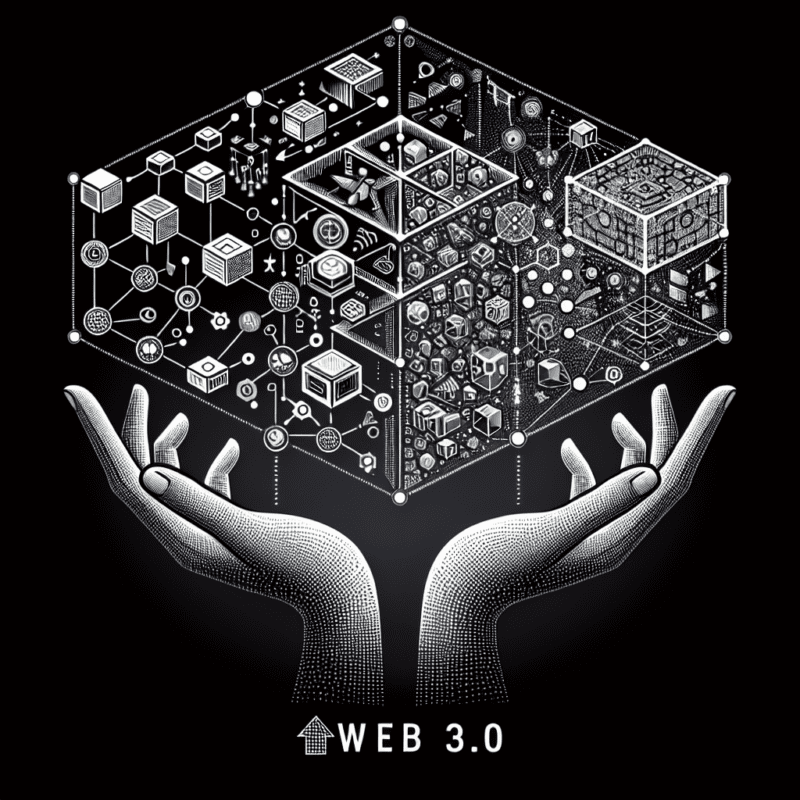
Are you curious about the future of the internet and how it will impact our lives? Web3 is a term that has been gaining popularity in recent years, but what exactly does it mean? In this comprehensive guide, we will delve into the world of Web3 and explore its potential implications for the future. Let’s uncover the mysteries of Web3 together!
What is Web3?
Web3 is the next generation of the internet, characterized by decentralized technologies and blockchain-based systems. Unlike the current Web2 model, which is dominated by centralized platforms and data silos, Web3 aims to empower users with greater control over their data and digital assets. By leveraging blockchain technology, Web3 offers increased security, transparency, and privacy for online interactions.
Key Features of Web3:
- Decentralization
- Blockchain Technology
- Smart Contracts
- Tokenization
How Does Web3 Work?
Web3 operates on a peer-to-peer network, where users interact directly with each other without the need for intermediaries. Smart contracts, self-executing agreements stored on the blockchain, automate transactions and enforce rules without the need for a trusted third party. Tokenization enables the creation of digital assets that can be traded or used within decentralized applications (dApps) on the Web3 ecosystem.

Advantages of Web3:
- Enhanced Security
- Increased Privacy
- Greater Control Over Data
- Improved Transparency
Challenges and Opportunities
While Web3 presents exciting possibilities for a more secure and user-centric internet, it also faces challenges such as scalability, interoperability, and regulatory compliance. As the technology continues to evolve, developers and policymakers must collaborate to address these issues and unlock the full potential of Web3. With proper governance and innovation, Web3 has the potential to revolutionize the way we interact online.
Future Outlook
As Web3 gains momentum and adoption, we can expect to see a shift towards decentralized applications, digital identities, and tokenized economies. The integration of Web3 technologies into existing platforms and services will create new opportunities for innovation and collaboration across industries. By embracing the principles of decentralization and blockchain, we can pave the way for a more inclusive and transparent digital future.
FAQ
What are dApps?
dApps, or decentralized applications, are software programs that run on a decentralized network of computers. They leverage blockchain technology to enable peer-to-peer interactions without the need for intermediaries.
How is Web3 different from Web2?
Web3 is characterized by decentralization, blockchain technology, and user empowerment, while Web2 is dominated by centralized platforms and data silos controlled by tech giants.
What role does blockchain play in Web3?
Blockchain technology enables secure and transparent transactions, smart contracts, and tokenization within the Web3 ecosystem. It serves as the foundation for decentralization and trustless interactions on the internet.
Conclusion
In conclusion, Web3 represents a paradigm shift in the way we interact online, with its emphasis on decentralization, blockchain technology, and user empowerment. By understanding the key features, advantages, and challenges of Web3, we can navigate the evolving digital landscape and harness its potential for innovation and collaboration. The future of the internet is decentralized – are you ready for Web3?

