

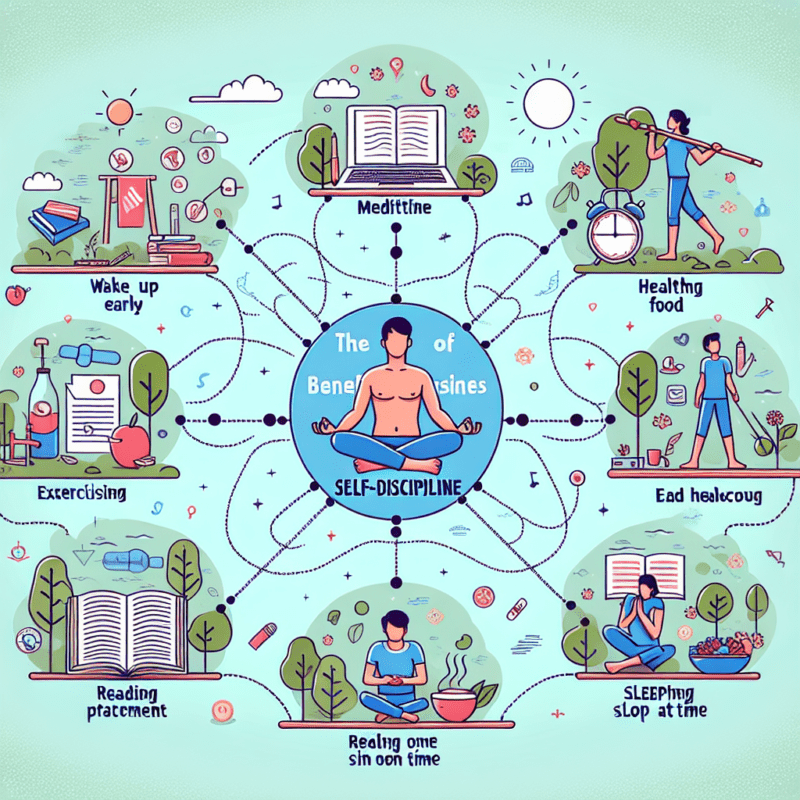
Are you struggling to achieve your goals and make positive changes in your life? Self-discipline may be the key to unlocking your full potential. In this comprehensive guide, we will explore the benefits of self-discipline and how it can transform your life for the better.
What is Self-Discipline?
Self-discipline is the ability to control and regulate your thoughts, emotions, and behaviors in order to achieve your goals. It involves making conscious decisions to prioritize long-term benefits over short-term gratification, and to stay focused on your objectives even in the face of challenges and distractions.
The Benefits of Self-Discipline
Self-discipline can have a profound impact on every aspect of your life, including your personal relationships, career, health, and overall well-being. Here are some of the key benefits of cultivating self-discipline:

1. Increased Productivity
By developing self-discipline, you can improve your time management skills, prioritize tasks effectively, and stay focused on the task at hand. This can lead to increased productivity and better performance in your work or studies.
2. Improved Health and Wellness
Self-discipline plays a crucial role in maintaining a healthy lifestyle, from sticking to a balanced diet and exercise routine to getting enough sleep and managing stress. By practicing self-discipline, you can make healthier choices and improve your overall well-being.
3. Enhanced Self-Control
Self-discipline helps you build self-control and resist temptations that may hinder your progress towards your goals. By cultivating self-discipline, you can overcome bad habits, such as procrastination, impulsivity, or overindulgence, and make better choices for yourself.
4. Greater Success and Achievement
Self-discipline is often a key factor in achieving success and reaching your full potential. By setting clear goals, staying committed to your objectives, and persevering through challenges, you can accomplish more and fulfill your ambitions.
How to Develop Self-Discipline
While self-discipline may not come naturally to everyone, it is a skill that can be learned and strengthened over time. Here are some strategies to help you develop self-discipline:
1. Set Clear Goals
Define your objectives and break them down into smaller, manageable tasks. By setting clear and achievable goals, you can stay focused and motivated to work towards them.
2. Create a Routine
Establish a daily routine that includes time for work, exercise, relaxation, and self-care. By following a consistent schedule, you can build good habits and maintain discipline in your daily life.

3. Practice Mindfulness
Stay present and aware of your thoughts, emotions, and actions. Mindfulness can help you stay focused on your goals, make conscious decisions, and avoid distractions that may derail your progress.
4. Stay Accountable
Share your goals with a friend, mentor, or coach who can support and hold you accountable. By seeking external feedback and encouragement, you can stay motivated and committed to your goals.
Conclusion
Self-discipline is a powerful tool that can help you achieve your goals, overcome obstacles, and transform your life for the better. By practicing self-discipline, you can improve your productivity, health, self-control, and success in all areas of your life. Start cultivating self-discipline today and unlock your full potential!
FAQ
Q: How can I stay disciplined when faced with temptations?
A: One strategy is to remove temptations from your environment and replace them with healthier alternatives. For example, if you’re trying to eat healthier, stock your kitchen with nutritious snacks instead of junk food.
Q: What should I do if I fall off track with my self-discipline goals?
A: It’s important to be gentle with yourself and not be too hard on yourself if you slip up. Instead of giving up altogether, acknowledge your mistake, learn from it, and recommit to your goals moving forward.