

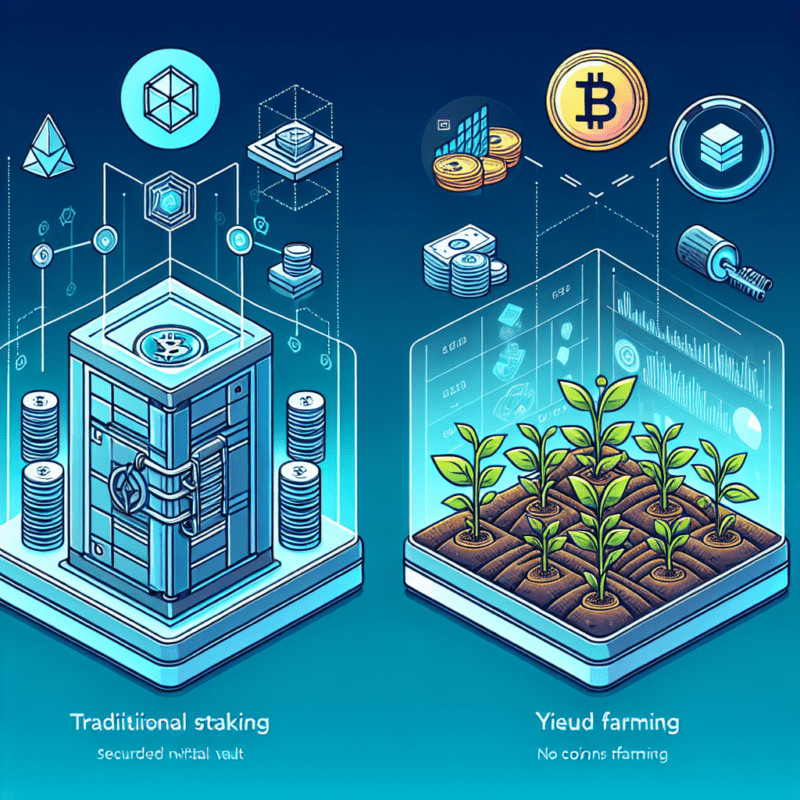
Are you looking to maximize your cryptocurrency investments? Staking and Yield Farming are two popular strategies that can help you earn passive income in the world of decentralized finance (DeFi). In this comprehensive guide, we will explore the differences between Staking and Yield Farming, as well as the benefits of each. Let’s dive in and learn how you can make the most of your crypto assets!
What is Staking?
Staking is a process in which cryptocurrency holders lock up their coins in a wallet to support the security and operations of a blockchain network. In return for staking their coins, participants receive rewards in the form of additional tokens. Staking is a passive income-generating strategy that can help investors earn a steady stream of income while also contributing to the overall health of the network.
Benefits of Staking:
1. Passive Income: Staking allows investors to earn rewards simply by holding their coins in a wallet.

2. Network Security: By staking their coins, investors help secure the blockchain network and prevent malicious actors from taking control.
3. Voting Rights: Some staking mechanisms give participants the ability to vote on network proposals and changes.
What is Yield Farming?
Yield Farming, also known as liquidity mining, is a strategy in which investors provide liquidity to decentralized finance (DeFi) protocols in exchange for rewards. By locking up their assets in smart contracts, investors can earn returns in the form of interest, fees, or governance tokens. Yield Farming is a more active strategy compared to Staking, as it involves constantly moving funds between different protocols to maximize returns.
Benefits of Yield Farming:
1. High Returns: Yield Farming can offer higher returns compared to traditional Staking due to the additional risks involved.
2. Diversification: Yield Farmers can spread their investments across multiple protocols to minimize risk and maximize returns.
3. Flexibility: Yield Farming allows investors to earn rewards in various forms, including interest, fees, and governance tokens.
Staking vs. Yield Farming: Key Differences
While both Staking and Yield Farming offer opportunities for passive income, there are key differences between the two strategies. Staking is a more straightforward and less risky option, suitable for investors looking for a stable income stream. On the other hand, Yield Farming is a more complex and dynamic strategy, offering higher returns but also higher risks.

Conclusion
In conclusion, Staking and Yield Farming are two popular strategies in the world of decentralized finance that can help investors earn passive income and maximize their crypto investments. Whether you prefer the stability of Staking or the potential for higher returns with Yield Farming, it’s essential to understand the differences and benefits of each strategy before diving in. By carefully evaluating your risk tolerance and investment goals, you can choose the strategy that best suits your needs and objectives.
Frequently Asked Questions
What is the difference between Staking and Yield Farming?
Staking involves locking up coins in a wallet to support the network and earn rewards, while Yield Farming involves providing liquidity to DeFi protocols in exchange for rewards.
Which strategy offers higher returns?
Yield Farming typically offers higher returns compared to Staking, but it also comes with higher risks due to the volatility of DeFi protocols.
Is Staking or Yield Farming a safer investment?
Staking is generally considered a safer investment option compared to Yield Farming, as it involves less risk and volatility.

