
Are you curious about the world of NFTs and how they are revolutionizing the way we buy and sell digital assets? In this comprehensive guide, we will explore everything you need to know about Non-Fungible Tokens (NFTs) and how they are changing the landscape of digital ownership.
What are NFTs?
NFTs, or Non-Fungible Tokens, are unique digital assets that represent ownership of a specific item or piece of content. Unlike cryptocurrencies such as Bitcoin or Ethereum, which are fungible and interchangeable, NFTs are one-of-a-kind and cannot be replicated or exchanged for another token of equal value.
How do NFTs work?
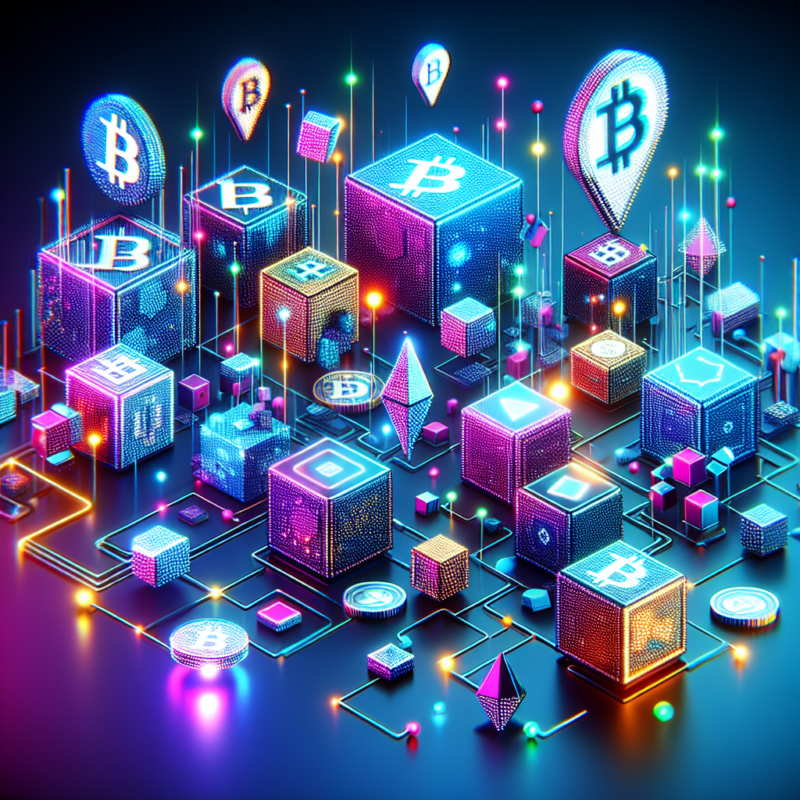
Each NFT is stored on a blockchain, a decentralized digital ledger that records transactions in a secure and transparent manner. This technology ensures that the ownership and authenticity of an NFT can be verified and traced back to its original creator.

Why are NFTs valuable?
The value of an NFT is derived from its scarcity, authenticity, and uniqueness. Collectors and investors are willing to pay significant amounts of money for NFTs that are rare, in-demand, or associated with a reputable artist or brand.
How are NFTs created?
Creating an NFT involves minting a token on a blockchain platform, such as Ethereum or Binance Smart Chain, and attaching metadata that describes the digital asset being tokenized. This process establishes the provenance and ownership of the NFT, making it a valuable and tradable asset.
How are NFTs bought and sold?
NFTs are typically bought and sold on online marketplaces, such as OpenSea, Rarible, or Nifty Gateway. Users can browse a wide range of NFTs, place bids on items they are interested in, and complete transactions using cryptocurrency.
What can you do with an NFT?
Once you own an NFT, you can display it in your digital wallet, showcase it in virtual galleries or museums, or resell it on secondary markets. Some NFTs also come with additional benefits, such as access to exclusive events or merchandise.
Are NFTs here to stay?
The NFT market has experienced explosive growth in recent years, attracting mainstream attention and investment from celebrities, athletes, and brands. While the future of NFTs is still uncertain, many experts believe that they have the potential to revolutionize the way we buy, sell, and collect digital assets.
What are the risks of investing in NFTs?
Like any investment, buying NFTs comes with risks, including market volatility, regulatory uncertainty, and the potential for scams or fraud. It is essential to do thorough research and exercise caution before investing in NFTs.
Conclusion
In conclusion, NFTs are a fascinating and innovative technology that is reshaping the digital economy. Whether you are an artist looking to monetize your work, a collector seeking unique assets, or an investor exploring new opportunities, NFTs offer a world of possibilities. Stay informed, stay curious, and embrace the future of digital ownership with Non-Fungible Tokens!

FAQs
Q: Are NFTs the same as cryptocurrencies?
A: No, NFTs are unique digital assets that represent ownership of specific items, while cryptocurrencies are fungible and interchangeable tokens used as a medium of exchange.
Q: Can I create my own NFTs?
A: Yes, anyone can create and mint their own NFTs using blockchain platforms and marketplaces that support tokenization of digital assets.
Q: How can I verify the authenticity of an NFT?
A: You can verify the authenticity of an NFT by checking its metadata, verifying the transaction history on the blockchain, and confirming the identity of the creator or issuer.
Q: Are NFTs environmentally friendly?
A: The energy consumption of blockchain networks used for minting and trading NFTs has raised concerns about environmental sustainability. It is essential to consider the environmental impact of NFTs and support initiatives for greener blockchain technologies.