

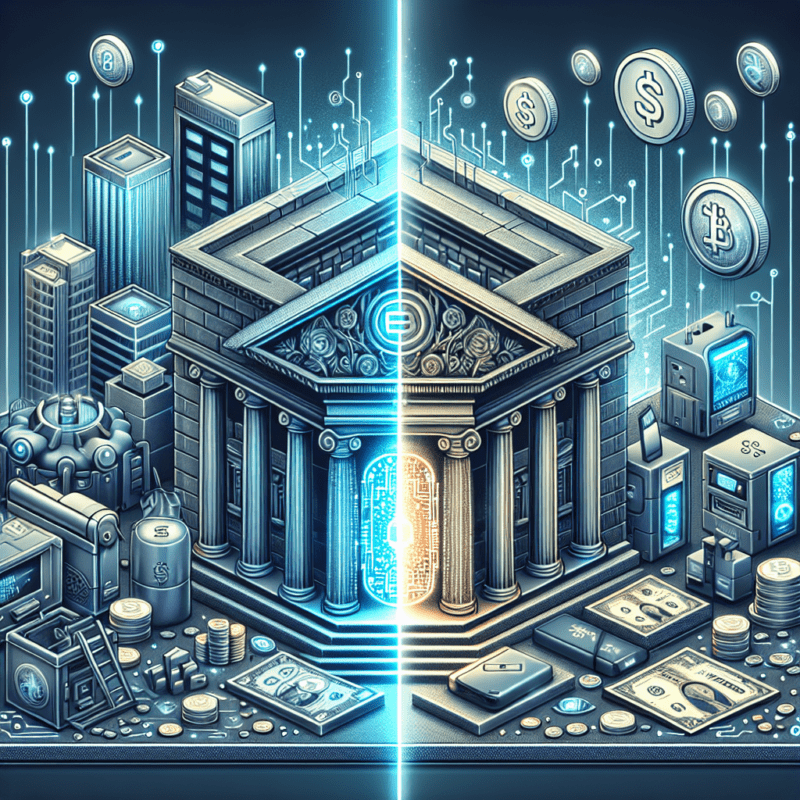
In today’s digital age, technology continues to revolutionize the way we conduct financial transactions. One of the most significant advancements in this space is the rise of digital wallets. These innovative tools are changing the way we think about money management and are reshaping the financial landscape as we know it. In this article, we’ll explore the impact of digital wallets and how they are transforming the way we interact with our finances.
The Rise of Digital Wallets
Digital wallets, also known as e-wallets or mobile wallets, are virtual wallets that allow users to store, send, and receive money electronically. These digital platforms have gained popularity in recent years due to their convenience, security, and accessibility. With just a few taps on a smartphone or computer, users can make payments, transfer funds, and manage their finances with ease.
Benefits of Digital Wallets
One of the key advantages of digital wallets is their convenience. Instead of carrying around physical cash or multiple credit cards, users can store all their payment information in one secure place. This makes it easier to make purchases online or in-store, as well as send money to friends and family with just a few clicks.

Another benefit of digital wallets is their security features. Many e-wallets use encryption technology to protect users’ personal and financial information, reducing the risk of fraud or identity theft. Additionally, some digital wallets offer biometric authentication, such as fingerprint or facial recognition, to enhance security and prevent unauthorized access.
The Impact on Traditional Banking
As digital wallets continue to gain traction, traditional banking institutions are facing increased competition from these innovative fintech companies. Many consumers are now opting for digital wallets over traditional bank accounts due to their convenience, lower fees, and user-friendly interfaces. This shift in consumer behavior is forcing banks to adapt and evolve their services to meet the changing needs of their customers.
The Future of Digital Wallets
Looking ahead, the future of digital wallets looks promising. With advancements in technology such as blockchain and artificial intelligence, e-wallets are expected to become even more secure, efficient, and versatile. Additionally, as more merchants and businesses adopt digital payment systems, the use of digital wallets is likely to become even more widespread.
Conclusion
In conclusion, digital wallets are reshaping the financial landscape by offering a convenient, secure, and efficient way to manage money. As more consumers embrace these digital platforms, the traditional banking industry will need to adapt to stay competitive in the digital age. By leveraging the benefits of digital wallets, individuals and businesses can streamline their financial transactions and enjoy greater flexibility and control over their finances.
FAQs
What are digital wallets?
Digital wallets are virtual wallets that allow users to store, send, and receive money electronically.
Are digital wallets secure?
Many digital wallets use encryption technology and biometric authentication to ensure the security of users’ personal and financial information.
How are digital wallets impacting traditional banking?
The rise of digital wallets is forcing traditional banking institutions to adapt and evolve their services to meet the changing needs of customers.


