

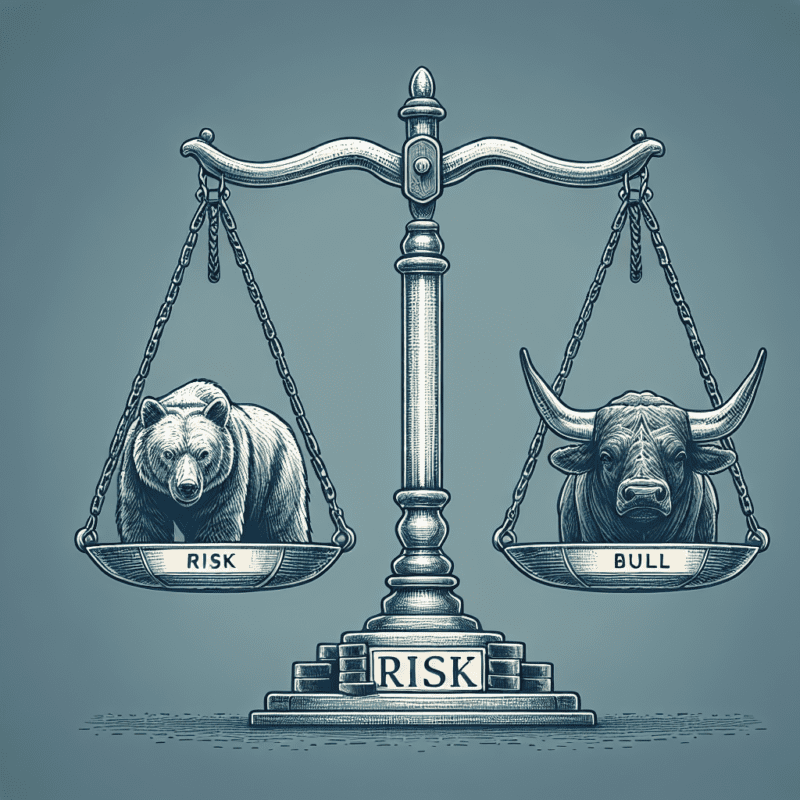
Implementing effective risk management practices in business is crucial for ensuring the success and longevity of an organization. By identifying, assessing, and mitigating potential risks, companies can protect their assets, reputation, and bottom line. In this comprehensive guide, we will explore the best practices for implementing risk management in business to help you navigate uncertain waters and achieve sustainable growth.
Understanding Risk Management
Risk management is the process of identifying, assessing, and mitigating potential risks that could impact an organization’s ability to achieve its objectives. By proactively managing risks, businesses can minimize potential losses and capitalize on opportunities for growth. Effective risk management involves a systematic approach that encompasses the following key steps:
Risk Identification
The first step in effective risk management is identifying potential risks that could impact the organization. This involves conducting a thorough assessment of internal and external factors that could pose a threat to the business, including market volatility, regulatory changes, cybersecurity threats, and operational inefficiencies.

Risk Assessment
Once risks have been identified, the next step is to assess the likelihood and potential impact of each risk on the organization. This involves evaluating the severity of the risk, the likelihood of occurrence, and the organization’s ability to mitigate or respond to the risk effectively.
Risk Mitigation
After assessing the risks, businesses must develop and implement strategies to mitigate or manage potential threats. This may involve implementing internal controls, establishing contingency plans, investing in insurance coverage, or diversifying business operations to reduce exposure to risk.
Best Practices for Implementing Risk Management
Implementing effective risk management practices requires a proactive and strategic approach. Here are some best practices to help businesses mitigate risk and safeguard their operations:
Establish a Risk Management Framework
Develop a structured framework for managing risks that outlines roles, responsibilities, and processes for identifying, assessing, and mitigating risks throughout the organization.
Conduct Regular Risk Assessments
Regularly assess and update the organization’s risk profile to identify emerging risks and evaluate the effectiveness of existing risk management strategies.
Implement Robust Internal Controls
Establish internal controls to monitor and mitigate risks, including segregation of duties, access controls, and regular audits to ensure compliance with policies and procedures.
Invest in Risk Management Tools
Utilize technology and software solutions to streamline risk management processes, track key risk indicators, and automate risk reporting for informed decision-making.

Conclusion
Effective risk management is essential for safeguarding business operations and achieving sustainable growth. By implementing best practices for identifying, assessing, and mitigating risks, organizations can protect their assets, reputation, and bottom line in an increasingly complex and uncertain business environment. Embrace risk management as a strategic imperative to navigate uncertainty and capitalize on opportunities for success.
FAQs
What is risk management?
Risk management is the process of identifying, assessing, and mitigating potential risks that could impact an organization’s ability to achieve its objectives.
Why is risk management important for business?
Effective risk management is crucial for protecting assets, reputation, and bottom line, as well as for maximizing opportunities for growth and success.

