

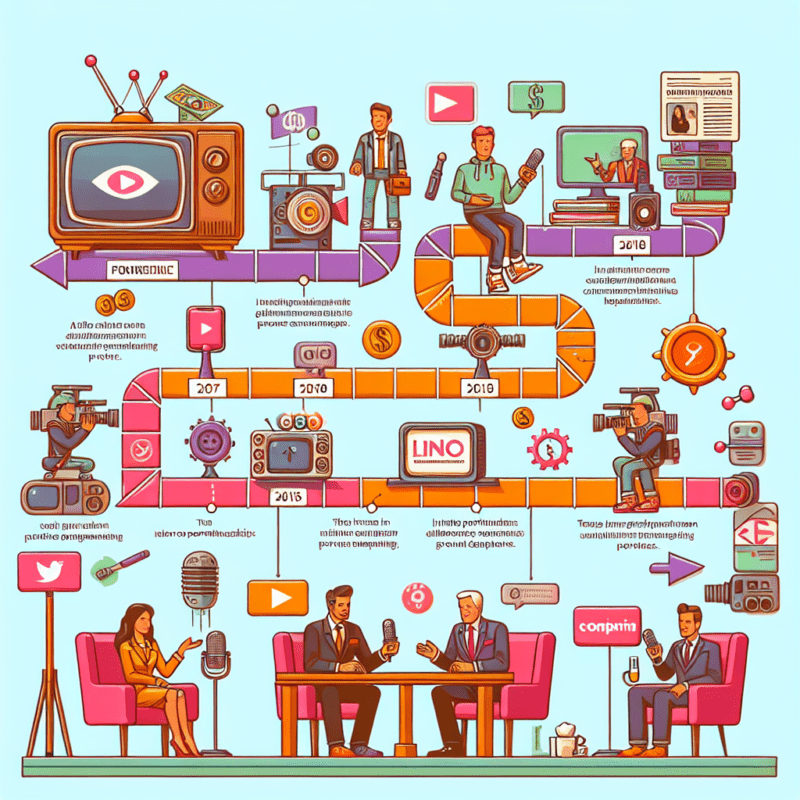
Are you looking to understand the evolution of influencer marketing and how it has transformed over the years? In this comprehensive guide, we will explore the journey of influencer marketing from simple endorsements to authentic partnerships. Let’s delve into the world of influencer marketing and how brands are leveraging it to reach their target audience.
The Rise of Influencer Marketing
In the early days of influencer marketing, brands would approach celebrities and popular figures to endorse their products or services. These endorsements were often one-off deals and lacked authenticity.
The Shift Towards Authentic Partnerships
As consumers became more savvy and discerning, brands realized the importance of authenticity in their marketing efforts. This led to a shift towards authentic partnerships with influencers who genuinely believed in the brand and its values.

The Impact of Social Media
The rise of social media platforms like Instagram, YouTube, and TikTok has revolutionized the way brands engage with influencers. These platforms have provided influencers with a direct line of communication with their followers, making their recommendations more impactful.
The Power of Micro-Influencers
In recent years, brands have started collaborating with micro-influencers who have a smaller but highly engaged following. These partnerships have proven to be more effective in reaching niche audiences and driving higher levels of engagement.
Measuring Success in Influencer Marketing
With the growing popularity of influencer marketing, brands are now focusing on measuring the success of their campaigns. From tracking engagement rates to analyzing sales data, brands are using various metrics to evaluate the effectiveness of their influencer partnerships.
The Future of Influencer Marketing
As influencer marketing continues to evolve, brands will need to adapt to changing consumer preferences and trends. Authenticity, transparency, and creativity will be key in building successful partnerships with influencers and connecting with audiences on a deeper level.
Conclusion
In conclusion, the evolution of influencer marketing has been marked by a shift towards authentic partnerships and a focus on building genuine connections with audiences. Brands that are able to leverage the power of influencer marketing in a meaningful way will undoubtedly see success in reaching their target audience and driving engagement.
FAQs
Q: How can brands find the right influencers to partner with?
A: Brands can use influencer marketing platforms, conduct thorough research, and analyze the influencer’s audience demographics to find the right fit for their brand.
Q: What are the benefits of working with micro-influencers?
A: Micro-influencers have higher engagement rates, lower costs, and a more targeted audience, making them an effective choice for brands looking to reach niche markets.

Q: How can brands measure the success of their influencer marketing campaigns?
A: Brands can track metrics such as engagement rates, click-through rates, conversion rates, and sales data to measure the effectiveness of their influencer partnerships.

