

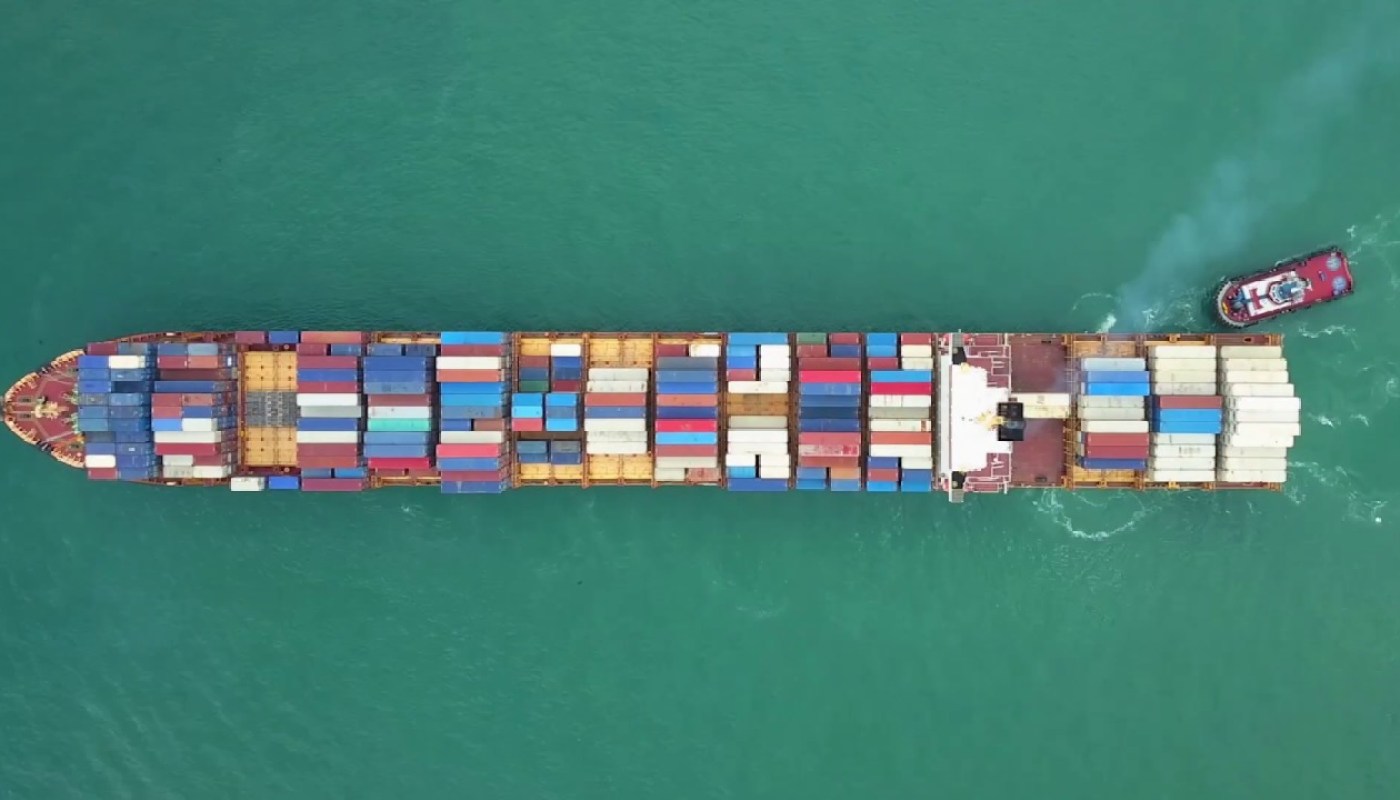
Introduction
Blockchain technology is revolutionizing the way supply chains operate. One of the most prominent examples of this is TradeLens, a platform that uses blockchain to streamline the supply chain process. In this demo, we will explore how TradeLens and blockchain technology work together to make supply chains more efficient and transparent.
What is TradeLens?
TradeLens is a digital platform that was developed by IBM and Maersk, two giants in the world of supply chain management. It uses blockchain technology to create a secure and transparent record of transactions within the supply chain. This allows all parties involved in a shipment, from manufacturers to retailers, to track the progress of their goods in real-time.
How Does TradeLens Work?
TradeLens uses blockchain technology to create a shared ledger of transactions. This ledger is distributed across a network of computers, making it highly secure and resistant to tampering. Each time a new transaction is added to the ledger, it is verified by multiple parties before being added to the chain. This ensures that all parties have access to the same information and that no single entity can control the system.

Benefits of TradeLens
– Improved transparency: TradeLens allows all parties in the supply chain to see the same information in real-time, reducing the risk of errors and delays.
– Increased efficiency: By streamlining the supply chain process, TradeLens can help companies save time and money.
– Enhanced security: The use of blockchain technology makes TradeLens highly secure, reducing the risk of fraud and data breaches.
Blockchain Technology in Supply Chain
Blockchain technology is the underlying technology behind TradeLens and other similar platforms. It is a decentralized and distributed ledger that records transactions across a network of computers. Each block in the chain contains a cryptographic hash of the previous block, making it nearly impossible to alter the data without the consensus of the network.
How Blockchain Improves Supply Chains
– Transparency: All transactions on the blockchain are visible to all parties involved, creating a transparent and trustless system.
– Security: The decentralized nature of blockchain makes it highly secure, reducing the risk of fraud and cyber attacks.
– Efficiency: By automating and streamlining processes, blockchain technology can help companies save time and resources.
TradeLens and Blockchain Technology Supply Chain Demo
Conclusion
TradeLens and blockchain technology are revolutionizing the supply chain industry by improving transparency, security, and efficiency. By leveraging blockchain technology, companies can create a more streamlined and secure supply chain process that benefits all parties involved. As the technology continues to evolve, we can expect to see even greater advancements in supply chain management.
FAQs
Q: How does TradeLens use blockchain technology to improve supply chains?
A: TradeLens uses blockchain technology to create a secure and transparent record of transactions within the supply chain. This allows all parties involved in a shipment to track the progress of their goods in real-time, reducing the risk of errors and delays.
Q: What are the benefits of using TradeLens and blockchain technology in the supply chain?
A: Some of the benefits of using TradeLens and blockchain technology in the supply chain include improved transparency, increased efficiency, and enhanced security. By creating a shared ledger of transactions, companies can streamline their supply chain process and reduce the risk of fraud and data breaches.

Q: How does blockchain technology improve supply chains?
A: Blockchain technology improves supply chains by providing transparency, security, and efficiency. By creating a decentralized and distributed ledger of transactions, blockchain technology allows all parties involved to see the same information in real-time, reducing the risk of errors and delays. Additionally, the security features of blockchain make it highly resistant to tampering and fraud, enhancing the overall security of the supply chain.

