

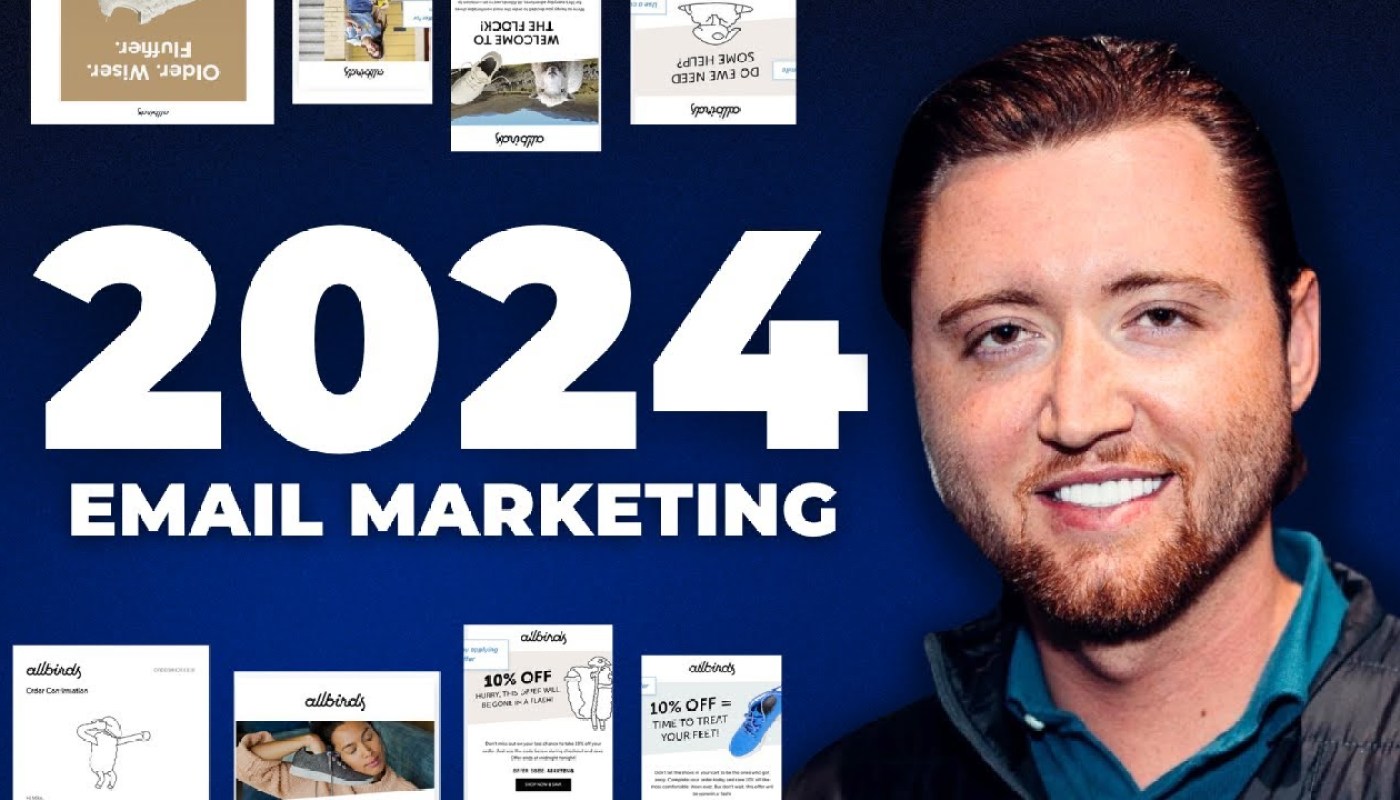
The BEST Email Marketing Guide for 2024 (Ecommerce)
Introduction
Welcome to the ultimate email marketing guide for 2024 specifically tailored for ecommerce businesses. In this guide, we will cover everything you need to know about email marketing, from creating effective campaigns to measuring success and everything in between. Whether you’re a beginner or an experienced marketer, this guide is designed to help you take your email marketing efforts to the next level.
What is Email Marketing?

Email marketing is a powerful digital marketing strategy that involves sending promotional messages, newsletters, and updates to a targeted audience via email. It is one of the most cost-effective ways to reach your customers and drive sales for your ecommerce business.
Why is Email Marketing Important for Ecommerce Businesses?
For ecommerce businesses, email marketing is crucial for building relationships with customers, driving repeat purchases, and increasing brand loyalty. By sending personalized and targeted emails, you can keep your customers engaged and informed about your products and promotions.
Creating an Email Marketing Strategy
Before you start sending out emails, it’s important to have a solid email marketing strategy in place. Here are some key steps to consider:
1. Define Your Goals
What do you want to achieve with your email marketing campaigns? Whether it’s increasing sales, driving website traffic, or building brand awareness, clearly define your goals to guide your strategy.

2. Build Your Email List
Start by collecting email addresses from your website visitors, social media followers, and customers. Offer incentives such as discounts or exclusive content to encourage sign-ups.
3. Segment Your Audience
Divide your email list into different segments based on demographics, purchase history, or engagement level. This will allow you to send targeted and relevant emails to each group of subscribers.
4. Create Compelling Content
Make sure your emails are visually appealing, easy to read, and provide value to your subscribers. Use a mix of product promotions, educational content, and customer testimonials to keep your audience engaged.
5. Test and Optimize
Experiment with different subject lines, email designs, and send times to see what resonates with your audience. Use A/B testing to compare results and optimize your campaigns for better performance.
Types of Email Marketing Campaigns
There are several types of email campaigns that ecommerce businesses can use to engage with their customers:
1. Welcome Emails
Welcome emails are sent to new subscribers or customers to introduce your brand and thank them for signing up. They are a great way to set the tone for future interactions and build rapport with your audience.
2. Promotional Emails
Promotional emails are used to promote sales, discounts, or new products to your subscribers. Make sure to create a sense of urgency and include clear call-to-action buttons to drive conversions.
3. Abandoned Cart Emails
Abandoned cart emails are sent to customers who have added items to their cart but haven’t completed the purchase. Remind them of the products they left behind and offer incentives to encourage them to complete their purchase.
4. Newsletter Emails
Newsletter emails are a great way to keep your subscribers informed about your latest products, industry news, and upcoming events. Make sure to provide valuable content that educates and entertains your audience.
5. Re-Engagement Emails
Re-engagement emails are sent to inactive subscribers to encourage them to re-engage with your brand. Offer special promotions or personalized recommendations to win back their interest.
Measuring Email Marketing Success
Tracking and analyzing the performance of your email campaigns is essential to improving your strategy. Here are some key metrics to monitor:
1. Open Rate
The open rate measures the percentage of recipients who opened your email. A high open rate indicates that your subject line and sender name are compelling enough to grab attention.
2. Click-Through Rate (CTR)
The click-through rate measures the percentage of recipients who clicked on a link in your email. A high CTR indicates that your content and call-to-action are engaging and relevant to your audience.
3. Conversion Rate
The conversion rate measures the percentage of recipients who completed a desired action, such as making a purchase or signing up for a webinar. A high conversion rate indicates that your email campaign is driving results.
4. Unsubscribe Rate
The unsubscribe rate measures the percentage of recipients who opted out of receiving your emails. Monitor this metric to identify any issues with your content or frequency that may be causing subscribers to disengage.
Conclusion
In conclusion, email marketing remains a powerful tool for ecommerce businesses to connect with their customers and drive sales. By following the tips and strategies outlined in this guide, you can create effective email campaigns that resonate with your audience and deliver results. Remember to continuously test, optimize, and analyze your campaigns to ensure ongoing success.
FAQs
Q: How often should I send emails to my subscribers?
A: The frequency of your emails will depend on your audience and the nature of your business. It’s important to find a balance between staying top-of-mind with your subscribers and not overwhelming them with too many emails.
Q: What is the best time to send emails?
A: The best time to send emails can vary based on your audience’s behavior and preferences. Test different send times to see when you get the highest open and click-through rates.
Q: How can I grow my email list?
A: You can grow your email list by offering incentives such as discounts, exclusive content, or contests to encourage sign-ups. Make sure to promote your email list on your website, social media, and other marketing channels.
Q: How can I personalize my email campaigns?
A: You can personalize your email campaigns by segmenting your audience based on demographics, purchase history, or engagement level. Use dynamic content and personalized recommendations to deliver targeted messages to each group of subscribers.

